July 30, 2025

8 Common Plants That Can Actually Cause Damage to Your Property

It's tempting to spend all your time and money on the lovely things when you're landscaping around your house. Adding lush foliage, bright flowers, and big trees is the fastest way to turn a dull yard into an outdoor paradise. Plus, plants can make your property look better from the street and raise its value.
The only problem is? Some of the things you chose could be putting your home in danger. We enjoy how plants can add variety and beauty to a landscape, but what you select to grow around your home can have a huge effect on its structure and safety. The pear tree that looks ideal or the neat ground cover may seem harmless, but plants with sneaky roots, fast growth, or weak construction can all bring difficulties later on.

Being careful about where you put plants and what kind of plants you choose may save you a lot of worry and money in the long run. It can also help you prevent severe problems like blocked gutters, damaged foundations, or ruined roofs. In the following sections, we'll go into more detail about the trees and plants you should think twice about putting near your home.

Things to Think About When Planting Your Yard

Experts say that when you choose what to plant around your property, it's not always a matter of choosing between a "bad" plant and a "good" plant. You need to look at your choices as a whole to see if they are good for both your house and your landscape.

Cynthia Domenghini, PhD, a specialist in consumer horticulture at Kansas State University, says, "Any plant can be a problem if it is planted in a place that doesn't meet its needs." "This includes a place that is too small for the plant to grow to its full size. Before you pick a plant, it's crucial to complete your homework. "Know the conditions of the site and pick a plant that will thrive there."

Before you plant anything in the earth, think about these things:

Distance

When planting around your house, one of the most crucial things to think about is how far away the plant is from the outside of your house. Susan Calhoun, a landscape designer at Plantswoman Design, says, "As a general rule, we always plant outside the drip line of the house for any plant." "This helps plants stay alive with any rainwater that is available and any water that the owner gives them. We would plant two feet away from the house if there is no roof overhang. If you plant too close to the side of your house, you could damage the foundation or have to cut back a lot on a tree or shrub to make it small enough to fit in the space you want it to.

Size when grown

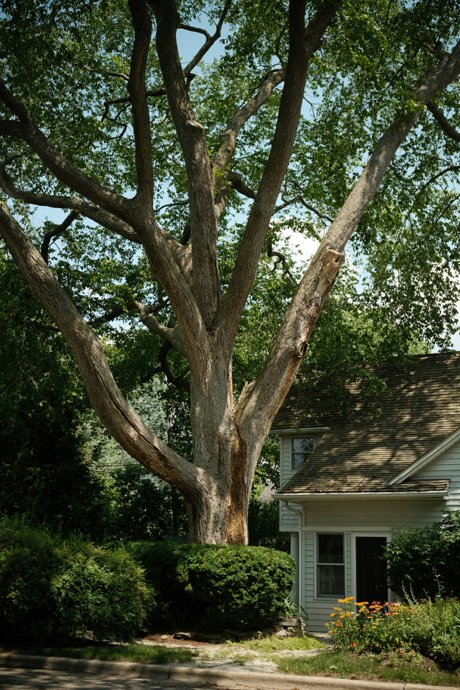
When landscaping, one problem that many home gardeners have is Think about how big the plant is now and how big it will get in the future. Darya Barar, a senior consulting urban forester and arborist with Bartlett Tree Experts, says, "Make sure you know the mature size of any plant, but especially trees and shrubs. Then, make sure the plant fits the space you have to grow it." "Large trees planted in small spaces, near a house, or in areas where planting is limited will eventually outgrow the area and probably cause problems in nearby areas." As a rule of thumb, don't plant a medium or large tree closer than 20 feet to a house. Shrubs should be at least 3 or 4 feet away from a building.

Habit of Growth

You shouldn't just think about how big a plant becomes; you should also think about how it grows in general. It's recommended to avoid plants with roots that tend to break things or that will vine and climb anything within 10 feet. Barar states, "If tree branches grow and hang over a house, litter from falling leaves, fruit, and other plant parts will build up on roofs and in gutters." "Vines like English and Boston ivy can also attach themselves to the sides of a building, which can hurt the surface."

Can catch fire

You might assume you don't have to worry about how flammable a plant is if you don't live in a region where wildfires are common, but you'd be mistaken. More and more, professionals are warning homeowners to think about how the plants they choose can affect how well their homes are protected against flames. JP McDonnell, a trained consultant arborist with SavATree consultant Group, says, "We're seeing more and worse wildfires in recent years as the wildland-urban interface (WUI) grows, temperatures rise, and droughts last longer and happen more often." "That has led to more interest in managing defensible space." There are numerous management zones around a home that suggest ways to lower the danger of wildfire damage to your property. You may always look up individual rules on Firewise USA or in your area.

8 Plants You Shouldn't Grow Close to Your House

You should constantly think about what you plant in your yard and where you place it. Here are the plants that experts say you should avoid the most.

Ivy in English

It's hard to keep creeping vines, like English ivy, under control. They typically climb up surrounding buildings and make them less stable. Domenghini explains, "If you plant [English ivy] near trees, it will probably climb up them." "The ivy plants are heavy, which might break tree branches and make things dangerous. It's crucial to know that this type of plant grows quickly, so you need to pick a good spot for it to grow and spread without producing problems.

Tree of Heaven

A good rule of thumb is Plants that are known to be invasive should be avoided at all costs. They are often on the list of plants that should not be grown. Barar says, "If I were to tell homeowners not to plant a certain type of tree or plant, it would be any species that is known to be invasive." "These species can outcompete native plants, mess up ecosystems, and make landscapes worse." Tree-of-heaven and purpleleaf plum are two examples of plants that have caused problems for the environment all around the country. I always tell people to ask local specialists or extension organizations to find out which species are invasive in their area.

Bradford Pear

Bradford pear trees used to be the most popular trees in planned communities and suburban centers, but now they are quite unpopular since they are structurally unstable and have smelly blossoms. McDonnell explains, "This tree is not native and spreads quickly." "It can outcompete the plants that are already there, and it usually grows with weak branches, which makes it more likely to perish in storms. Several states have even made it illegal to have the tree and are trying to get rid of it.

The Cherry Blossom Tree

Cherry trees are beautiful, but they don't fit in with every environment, especially if you don't have a lot of lawn for them to spread out on. Calhoun states, "The roots of a pink cherry tree will look for water, which can block drainage systems, septic systems, and even irrigation systems."

Japanese Forest Grass

If a plant or tree isn't causing problems above ground, it doesn't indicate everything is fine below ground. Calhoun notes that "grasses with running root systems can be a bit of a problem." Japanese forest grass, ribbon grass, and Japanese blood grass all have roots that run down the ground. These roots can spread and take over driveways, patios, and paths. They will also look for water sources and block systems, such the downspout curtain drains, surrounding your foundation.

Trees with Silver Maple

Because of their big stature and brilliant fall leaves, maple trees are quite popular in landscaping. That being said, they aren't the best choice for near a house, especially if you reside in an area that gets a lot of storms. McDonnell says, "Silver maple trees are known for having weak wood that rots easily and fails in storms." Dr. Domenghini says, "The roots of these trees can also break up sidewalks and driveways and damage sewer lines."

Creeper Trumpet

Be careful if the plant you want to buy has the words "creeper" or "crawler" in its name. You can use a lot of these plants as ground cover, but you should keep an eye on them as they grow. McDonnell says, "Trumpet creeper is a vine that people often plant for its pretty flowers, but in some areas, the USDA calls it an invasive weed." "It can easily spread through aerial rootlets and climb structures on residential properties, getting into siding, gutters, and downspouts and possibly damaging or weakening mortar joints."

Trees with Cones

It seems great to cut down a Christmas tree from your own yard, but then you remember how messy conifer trees can be. Calhoun states, "Most full-sized evergreen conifers shouldn't be planted close to the house." "These are better for forests and looking at things from a distance." They can be dangerous because they burn quickly and their roots might reach the foundation and cause difficulties there. If you don't clean out the gutters frequently, needles from the trees could become stuck in them and cause the siding and facias to decay.

Contact Hersey Group for landscaper recommendations.
Posted in General
July 28, 2025

55-Plus Buyers Want Wellness Features And Loved Ones Nearby

The modern homebuyer over 55 doesn't want to spend all day in a recliner thinking about how to terminate their life. Longer lifespans, better health, more money, and changing attitudes about aging are changing the neighborhoods that were built for late Boomers and Gen X homeowners.
Ken Perlman, managing principle of the John Burns Research and Consulting firm, says in a June 4 insights report, "We know the story: the population of people 55 and older will grow by 12 million between 2025 and 2033." "These aren't the same active adult buyers your grandparents were." They are rich, healthy, and know a lot about technology. Perlman says that these are the things that this homebuyer wants. If you are in this age range, does it fit with what you want?

Family Needs

Perlman says in his review that "proximity to family and friends is the top factor influencing location" for people over 55 who plan to move. People who move to be closer to their adult children and grandkids are called "baby chasers." A lot of my Baby Boomer acquaintances have done this or are thinking about doing it in the next two years. The epidemic made it clear how important it is to be near to family, especially for those that require help with childcare or eldercare.

According to Zonda*, a real estate publication and research organization, 25% of Baby Boomers expect to retire close to their children and grandchildren. Ali Wolf, Zonda's chief economist, says, "As Millennials look to put down roots and start families, they are drawn to markets that offer a mix of affordable housing, job opportunities, and lifestyle amenities." One of my friends from the Baby Boomer generation is thinking about moving to Austin so she may be close to her son and grandchild. A few years ago, a family member moved an hour away to be closer to her sister and children. The Index showed that Austin, Charleston, Jacksonville, Dallas, and Raleigh were the top five Baby Chaser destinations. According to the New Home Trends Institute, 45% of those 55 and older live within half an hour of their grandchildren, and 25% see them every week.

Friend Groups

Friend groups are also affecting where older people decide to live, especially for single people like me who don't have kids. Some people are looking for co-housing or co-living, like the "Golden Girls," which has a lot of benefits for those who choose one of them.

Maria Carpiac, director of California State University Long Beach's Gerontology department, told me for a July 2022 Forbes.com piece that the social aspect of shared housing was the number one benefit that had a big impact on the Golden Girls' mental and physical health. Carpiac conducts a class called Lessons from the Golden Girls: Women and Aging.

In that piece, she wrote, "More than any other lifestyle factor (like smoking, diet, and exercise), we know that having social support is the best predictor of morbidity (or illness) and mortality." She said that one in four older Americans lives alone, which is causing a lot of people to feel lonely. "Being alone raises the risk of death by 45%."

A few people in my age bracket, including me, don't want housemates, roommates, or the features of co-housing communities. Instead, we want a friendly neighborhood where we may live alone but yet be close to friends and loving neighbors.

What You Want in a New Home

Perlman says that new home builders are paying special attention to what people over 55 want. We make up 30% of the population today, and those of us born before 1970 currently own 73% of all U.S. net worth (according to the Bureau of Labor Statistics tabulations from John Burns Research and Consulting). This means that our preferences are being taken seriously:

Perlman says that more than 80% of our age wants to own a home, but they don't appreciate the upkeep that comes with it.

One out of three people over the age of 55 lives alone, and they are part of the 82% of older singles and couples that prefer a home that is 2,250 square feet or smaller. One garage space may be enough for singles, who can use the extra square footage for other things, like a bigger kitchen.

63% of these purchasers wouldn't live in a house without a laundry room.

A survey of people 55 and older by the company in 2024 found that 70% of us are putting "a sense of purpose" first, about 66% are putting family time first, and more than half are putting environments that encourage movement as part of daily life first. Wellness features like walking trails and access to nature, being able to walk to stores and services, fitness centers and programs, and integrated wellness clinics are all becoming more popular.

The Burns study doesn't talk about the trend toward homes that are easier to get into, which is sometimes labeled "aging in place." These often include single-level living or first-floor primary suites, elevators for two- or three-story homes and townhouses, barrier-free entries and showers, roll-out trays and pull-down accessories in cabinets, and other features that help adults of all ages and abilities live on their own.

According to SeniorLiving.com, a website for seniors and senior living communities, homes with universal design features that help people with physical challenges, smart home technology that makes things safer and easier, and social engagement and support systems like telehealth are all becoming more popular.

In conclusion

"The new 55 and older consumers want a community that gives them a sense of purpose, encourages healthy living, and provides services and amenities without the stress of excessive upkeep or being alone. Perlman says that the finest age-qualified and active adult communities will have a mix of properties, from "forever homes" to low-maintenance, affordable luxury homes, all in areas that are close to friends and family. Are you looking for the same thing? I finally found my "forever home" after a long search. It's in a neighborhood that welcomes people of all ages and has many wellness aspects, such as being able to walk to friends, stores, and services.

Check out the Hersey Group for help finding the right 55 plus community for you.

Posted in General
July 25, 2025

What homebuyers should do before rate cuts, according to mortgage experts

The big question right now, whether you're buying a new house or thinking about refinancing your mortgage, is when will rates go down? The interest rates on many types of loans have been high this year because the Federal Reserve has kept the federal funds rate low to keep inflation down.


The federal funds rate is a key interest rate that affects the rates that borrowers pay, including the cost of borrowing money to buy or refinance a property. Changes in interest rates are likely to happen after rate cuts or increases. The Fed's choices don't directly affect mortgage rates, but they can have an effect on other things and can change the direction of home loan rates.

The Federal Reserve will meet again later this month, but the CME Group FedWatch tool shows that experts think it's unlikely that rates would go down when the Fed meets at that time. On the other hand, the tool shows that rates are more likely to go down in September, October, and December. This might mean lower mortgage rates, and homebuyers who want to take advantage of these decreases can do a few things now to get ready.

Mortgage experts believe that homebuyers should do this before rates go down:

It's crucial to know how the Federal Reserve affects mortgage rates before you do anything.

"When the Fed cuts rates, it lowers the prime rate directly. This usually means that rates on HELOCs, car loans, and credit cards go down. "Mortgage rates don't go up and down exactly with Fed cuts, but those cuts and the Fed's economic guidance do have an effect on the bond market, which is what drives mortgage rates," says Jill Carrade, a mortgage broker with Pro Mortgage.

The Fed rate can affect mortgage rates, although the two are not directly tied. But this is what anyone who might want to borrow money should do now, in case interest rates go down later this year.

Look into it

New borrowers have to learn how the real estate market works. You should know about the numerous words you might hear, any fees that might apply, and your budget. You don't want to rush into something as big as buying a home.

"The most important thing for someone to do is get ready... Talk to someone and say, "What do I need to do to get a mortgage?" What do I have to do? Are there things I can get ready for? Mark Worthington, a loan officer and branch manager at Churchill Mortgage, says, "And that's going to involve looking at your income and bills. In this case, a good mortgage professional will help people with budgeting."

If you start your research now, before any rate cuts, you'll be better prepared to act when the time is right.

Sarah DeFlorio, vice president of mortgage banking at William Raveis Mortgage, says, "I think it's also important to note that my perspective is that we won't see any major swings in terms of rates before at least the end of the year." "That just makes it more important to be sort of all ready to go when you find the right property, so you can be ready to act in case you catch a dip."

Raise your credit score

Lenders look at a lot of things when deciding on house loan rates, and your credit score is one of them. Taking the time to raise your credit score will help you now and in the future.

"Typically, a higher credit score gets you better interest rates, which means a lower payment for the same price of a home," explains Worthington.

There are a lot of things that might effect your credit score, and they all have varying weights. Payment history is one of the most important factors, so it's very important to pay on time. But paying on time isn't the only thing that matters. Your credit usage, or how much you owe compared to your overall credit limit, makes up around 30% of your credit score.

DeFlorio says you should pay off any debts you have. That might not be possible for everyone, but if it is, it could assist.

Paying up your credit card balances by the due date is the greatest way to get the finest outcomes. But it could be even better to pay off your amounts before the statement date.

"The idea is to pay off the debt such that the statement comes out with a balance of zero. "And then that's the information that gets reported," DeFlorio explains.

Worthington also warns not to apply for new credit before applying for a mortgage, since this could lower your credit score.

Check out the loan features

Freddie Mac said that mortgage rates on a 30-year fixed-rate mortgage went down for five weeks in a row, but they went up a little bit recently and were at 6.72% on July 10th.

DeFlorio says that looking at mortgage interest rates is an important aspect of your study, but you need also look at other loan characteristics.

"We won't see much of a change in rates for the next few months, but the features of loans differ from bank to bank." So, for example, what is the bank's policy on float down, assuming they have one? "That would mean that if you're locked in, you might be able to get a lower rate if the market moves in that direction," DeFlorio explains.

Find the right house

The mortgage specialists we talked to all agreed that locating the perfect home is usually more crucial than timing the market. You don't want to miss out on your dream home while you wait for the right time, even though rate decreases can assist.

"When interest rates go down, a lot of purchasers who have been waiting on the sidelines tend to surge back into the market all at once. That more competition might make home prices go up and cause bidding wars. You can pay more for the house even if you get a cheaper rate. "Think about those trade-offs when you choose your timing," Carrade advises.

If you buy a house and get a mortgage, you're basically starting a long-term relationship. You can work with a professional to assist you figure everything out after you find the proper fit.

"Finding the right house is the most important piece of advice. "Your mortgage professional can help you find the best mortgage if you have the right house," adds Worthington.

The bottom line

You might want to do the things listed above to get ready if you're waiting for interest rates to go down before buying a house. It can help to do your homework, get your money in order, and boost your credit score. You're in the best possible position when it's time to apply for a mortgage. It might also be helpful to work with mortgage brokers who can help you acquire a home. No matter what the current mortgage interest rates are, the most important thing is to find the proper home and a mortgage that matches your budget.


Posted in General
July 23, 2025

Top Ten Things To Do in Cincinnati July 25-26

Cincinnati offers a variety of activities, especially with the Cincinnati Music Festival happening during July 25-26, 2025. Here are ten things you can do:

  1. Attend the Cincinnati Music Festival at Paycor Stadium (Friday, July 25 & Saturday, July 26): This is the highlight of the weekend! On Friday, catch Earth, Wind & Fire, Anthony Hamilton, Jazmine Sullivan, PJ Morton, and The Zapp Band. On Saturday, see LL Cool J with DJ Z-Trip, Toni Braxton, Lucky Daye, 112, The Bar-Kays, and a special tribute to Frankie Beverly with the TMF Band and guest appearances by Ronald Isley, Joe, After 7, Dave Hollister, and Raheem DeVaughn.

    • Specific to date: The entire weekend is centered around this event.

  2. Explore Festival513 at Freedom Way: During the Cincinnati Music Festival, Freedom Way near Paycor Stadium will host Festival513, featuring food trucks, local art fairs, and live pop-up performances.

    • Specific to date: Runs parallel to the Music Festival, likely Friday and Saturday.

  3. Visit the Cincinnati Black Music Walk of Fame Induction Ceremony (Saturday, July 26): Before Saturday's festival kick-off, there will be a special (and free) ceremony to unveil the newest inductees to the Cincinnati Black Music Walk of Fame at the Andrew J. Brady Center. This is a significant cultural event honoring Cincinnati's musical legacy.

    • Specific to date: Saturday, July 26, at noon.

  4. Enjoy Smale Riverfront Park: Located along the Ohio River, Smale Riverfront Park offers large porch swings, water play areas, splash grounds, and kids' play areas. It's a great place to relax and enjoy the river views, especially if you need a break from the festival crowds.

    • Specific to time of year: Enjoy the summer weather and river activities.

  5. Take an Ohio Riverboat Cruise: Several riverboat companies offer cruises on the Ohio River. You can choose from sightseeing cruises, dinner cruises, or even a special "All White" Mid-Day Cruise offered by YOLLO Group Services on Friday, July 25th, during the festival weekend.

    • Specific to date: The "All White" Mid-Day Cruise on Friday, July 25th, is directly tied to the Music Festival.

  6. Catch a Cincinnati Reds Game: The Cincinnati Reds have a home game against the Tampa Bay Rays on Friday, July 25, 2025, at Great American Ball Park. This is a classic Cincinnati summer experience.

    • Specific to date: Friday, July 25th.

  7. Visit the Cincinnati Zoo & Botanical Garden: Even if you're in town for the music, the Cincinnati Zoo is a renowned attraction, home to Fiona the hippo and many other animals. It's a great family-friendly option.

    • General summer activity, but always a top Cincinnati destination.

  8. Explore Over-the-Rhine (OTR): This historic neighborhood is known for its vibrant arts scene, unique eateries, and breweries. Take a walk through Washington Park or check out the architecture. Many pop-up events and parties are likely to happen in OTR during the Music Festival weekend.

    • General summer activity, but will be lively due to the festival.

  9. Discover the National Underground Railroad Freedom Center: Learn about the history of the Underground Railroad and contemporary freedom movements at this powerful museum located on the riverfront.

    • General activity, but offers a meaningful experience.

  10. Attend the "All White Party Hosted by Larenz Tate" (Saturday, July 26): If you're looking for another social event during the Music Festival weekend, there's a ticketed "All White Party" hosted by actor Larenz Tate at the Contemporary Arts Center.


July 21, 2025

The Advice First-Time Homebuyers Need To Hear

Getting your first house is a significant deal, and having the correct help will make it a lot easier.
This process may be fresh new to you, but it's not new to your agent. They've helped a lot of people buy their first home. They know what works, what really matters, and how to go through the process with a lot less guesswork.

Based on my experience aiding other first-time buyers, here are some recommendations that work in the real world.

Tip #1: Get Pre-Approved First

Rocket Mortgage states that this is one of the most typical blunders that first-time buyers make. And it's not hard to see why. It's fun to look at houses online. But doing it before you know your numbers? That's a bad idea. You don't want to get attached to a house that's too expensive for you. That's a quick way to get angry.

Instead, get in touch with your agent and a lender before you start looking at houses. Your lender can help you get pre-approved for your home loan. That will help you understand how much you can borrow. Also, it helps you make a budget that you can stick to. Then, your agent can design you a list of properties that are just right for you, so you only see homes that you can afford. More understanding, less anger.

Tip #2: Make a budget and stick to it.

Keep in mind that even if you can borrow up to a particular amount, you probably won't want to borrow the most. In today's economy, it's very crucial to stay inside your budget. You should also think about other costs of owning a home, like taxes, homeowners association (HOA) fees, and home insurance, which are all going up. Bankrate says this:

"When you're making a budget to help you find a home, don't just think about how much you can afford to buy. Also think about how much you can afford to pay in monthly bills after you buy the home."

So, ask the experts for help with costs you might not have thought about so you can include them in your budget.

Don't skip the inspection, tip number three

It's easy to get caught up in the enthusiasm when you locate the right house. But not having the examination merely to make your offer look better is a risky move that could cost you.

Instead, talk to your agent about setting up a real inspection. They'll put you in touch with local experts, make sure the appointment is made, and help you comprehend the results so you can negotiate repairs or ask for money off at closing if you need to. It's better to spend this time now to avoid having to pay for thousands of dollars in unanticipated repairs later.

Tip #4: Your first home doesn't have to be your last home.

This is where a lot of consumers start to feel undue stress. But keep in mind that you don't have to have your ideal home straight away. That's why many call it a starter home. It's not your final destination; it's just the beginning.

An agent will help you look at all of your choices, including ones you might not have thought of. A well-kept condo, a townhouse in a terrific location, or a house with good bones are all great first homes. What is the goal? Come in. Start to build up your equity. After that, go bigger.

The Bottom Line

Getting your first home is a significant deal, but it doesn't have to feel like you're going in the dark. Tell your agent where you are now, what is worrying you out (or keeping you from moving forward), and what you really need to know.

And the best thing you can do in this process is hire a great realtor, like the ones at the Hersey Group.

Posted in General
July 18, 2025

7 DIY Skills Every Homeowner Should Learn to Save on Renovation Costs

Every person knows that home improvements can cost a lot if they need to be done by professionals all the time. Instead of spending a lot of money on upgrades that you don't need, you can save hundreds or even thousands of dollars on home improvement jobs by learning how to do them yourself.
We asked professionals in home renovation what skills people should learn to save money on home renovations.

How to Use a Hammer, Drill, and Screwdriver

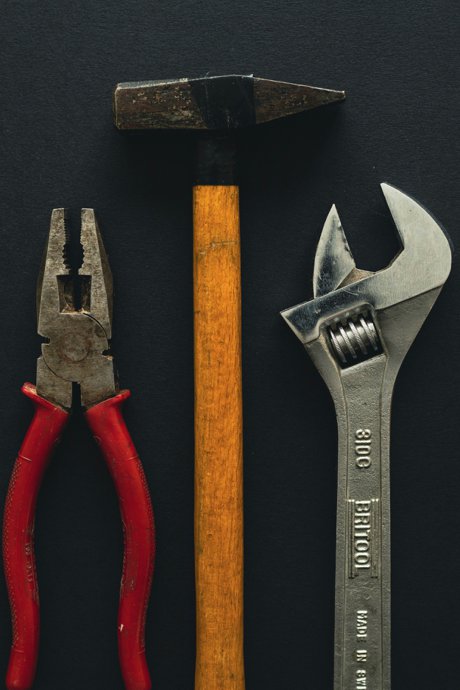
To do many things, you only need to learn how to use a drill, hammer, or screwdriver. For example, you can hang shelves, replace hardware, put TVs, and fix fences and decks.

Peter Andra, owner and general contractor at Kalispell Contracting, says, "Most people are familiar with screwdrivers and can do the basic screwdriver tasks of putting in or taking out a screw." "This is used frequently for tasks like setting up new furniture or switching out door handles or drawer knobs."

Painting

Most people have tried painting their own homes at least once because it's such an easy job that they can do themselves.

A bigger change to the look of your home can be made by learning how to paint correctly and like a pro.

Josh McGrath, Broker/Owner at Better Homes and Gardens Real Estate Central, says, "It's easy for beginners and gives you almost instant gratification—unless you hate taping. If you have a steady hand, you can use a good, angled brush to get a clean line you can be super proud of."

Taping off

Caulk is used for many tasks around the house, such as closing the base of the toilet after it has been fixed or replaced and filling in cracks and holes where wires or pipes run from the outside to the inside of the house.

According to McGrath, knowing how to caulk can make lines that are smooth and won't grow mold. It's not too hard to learn how to caulk, but it's not so easy to master, so be ready to have some trouble getting your lines straight when you first start.

Demolition with light

A lot of professionals will charge extra to take down and remove things from the house before they start renovating or rebuilding it. But you can save money on your next renovation project if you learn how to do light demolition tasks like removing old carpeting or hardwood and throwing them away properly.

"They even make demolition 'stress relief' rooms that you have to pay to use these days!" I hear Andra. "If there is wiring or plumbing involved, it is best to call a professional, but if you're simply removing old cabinets or getting rid of a non-load bearing wall, breaking stuff up for removal is pretty straightforward!"

How to Patch Drywall and Do Prep Work for Drywall

You don't have to spend time and money on a professional to fix holes in your drywall if you learn how to do a simple patch, use drywall cement, and sand the area.

And if you want to paint a room, you should always take the time to prepare the drywall by filling in any small holes or smoothing out any cracks. This is a very useful skill for a successful makeover.

"Most labor costs go into what happens before the brush hits the wall," he says. "Patch holes, smooth cracks and ensure the walls are 'paint ready'."

Simple plumbing

It can get expensive to hire a plumber for even small jobs, so learning the basics of plumbing can save you a lot of money.

To fix a toilet that won't stop running, learn how to do easy repairs like replacing the flapper or the float. You should also spend some time learning how to take apart and put back together a faucet or clear a drain.

"Basic plumbing, like replacing a faucet or unclogging a drain without calling in backup is essential for DIYers," says McGrath. "You're golden if you can change a faucet." If you can do it right, this will save you a lot of work.

Tiling

Most homeowners may not know how to tile a full bathroom or even just a shower, but learning how to do easy tile jobs can help keep the cost of remodeling a bathroom or kitchen down.

"Save the complicated tile work for professionals, but you could consider doing some simpler backsplash work or decorative tile on your own," she says. "The key is to go slow and take your time on even placement, measurements, and smooth grouting."

Posted in General
July 16, 2025

6 Tips for Finding Really Good Art at Flea Markets, According to Designers

At flea markets, you can find a wide range of art at low prices. One of the fun things about going from vendor to seller is that you never know what you'll find. However, if you've never bought used art before, here are some tips from experts that will help you get the best deals.
Three artists give you tips on how to find great art at any flea market.

Closely look at a piece before committing to it.

People who love old things will love flea markets, but keep in mind that older art may have flaws. Because you can't get your money back, it's even more important to read a piece carefully before buying it.

Los Angeles-based designer Lindsay Olson will look for signs of damage and ask the seller any questions she has about a piece before she buys it.

"I ask about the medium, the artist (if known), and whether the piece is original or a print," she points out. "Don’t be shy about asking to see the back for signatures or dates, which can add value and authenticity."

Don't Think About It For Too Long

Even though you want to be sure about your buy, it's also important not to think about it too long if it's a one-of-a-kind item.

Interior designer Caroline Kopp says, "When it comes to choosing art, trust your gut instead of overthinking the choice." "What it's all about when you own art is having an emotional response to it—that instant connection you feel when you see it." "Don't let doubt stop you from getting something that speaks to you."

When you can, negotiate.

You shouldn't be afraid to deal as long as it makes sense. "Negotiating is part of the flea market experience," Olson points out. "I start by asking for the vendor’s best price, and I’m always respectful."

She also says that sometimes buying more than one item from a seller will get you a better deal.

Think About Frames

Olson says to remember that if an item comes already framed, you'll save money because you won't have to pay extra to do that yourself.

"If I fall in love with an odd-sized work, I factor in the cost of custom framing before committing," she adds. Kopp agrees that you should buy something at a junk market if it's nicely framed. "The cost of professional framing alone often justifies the investment," she points out.

On the other hand, don't let a dull frame stop you from buying something. "A dated or damaged frame can be swapped out, so don’t dismiss a beautiful piece just because of how it’s currently framed," says Molly Miller. "Focus on the artwork itself, and if it calls out to you, go for it!"

Do More Than the Basics

There is a lot of different kinds of art at flea markets, so Olson says don't just look for prints and drawings.

"I love sourcing fiber art, vintage textiles, handmade ceramics, and even quirky objects like old book covers or decorative plates to create a layered, eclectic gallery wall," she adds. "Mixing mediums adds texture and depth to your space."

Don't Hurry

It doesn't matter what you're looking for at the flea market; you should give yourself enough time to look at all the booths without feeling rushed.

"The best treasures are often hidden, so I give myself time to wander, dig, and revisit stalls," he says. "Sometimes I’ll do a full lap before making any decisions—if a piece still calls to me at the end, I know it’s meant to be."

Posted in General
July 14, 2025

Homebuyers finally responded, after mortgage rates hit lowest level in three months

A short drop in interest rates sparked a big rise in mortgage demand that had been slow before. The number of mortgage applications rose 9.4% last week compared to the week before, according to the seasonally adjusted measure from the Mortgage Bankers Association. The scores from last week were changed to account for the July 4th holiday.
For 30-year fixed-rate mortgages with conforming loan amounts of $806,500 or less, the average interest rate dropped from 6.79% to 6.77%. Points stayed the same at 0.62, which includes the origination fee, for loans with a 20% down payment. It had been three months since it was that low.

The number of requests to refinance a home loan went up by 9% last week and by 56% from the same week last year. Because mortgage rates have been high for so long, there hasn't been much desire to refinance.

Also, the number of people applying for mortgages to buy homes went up by 9% last week and by 25% from the same week last year.

Joel Kan, vice president and assistant chief economist at the MBA, said, "Homebuyer demand is being fueled by rising home prices and rising housing inventory." "At $432,600, the average loan size for a purchase became the smallest it had been since January 2025."

In the past, demand for purchase mortgages has been pretty closely linked to real home sales. However, there are a lot of unusual factors in the market right now. People's moods aren't stable, and a lot of arrangements for both new and used homes have been canceled. So far, pending sales, which are contracts that have been signed, have not been going up at the same rate as credit demand.

A different poll from Mortgage News Daily shows that mortgage rates started going up again right before the Fourth of July holiday and have been going up again this week so far. But it might not mean that prices are going to go up more quickly.

"After a steady trend in the opposite direction, we often see a little faster movement in the opposite direction." It's possible that June was a trend like this, and rates dropped to their lowest level in a few months, wrote Matthew Graham, CEO of Mortgage News Daily. "Rates are still the lowest they've been since late April, except for the last few days of June."

Let's take advantage of low rates by talking to the Hersey Group!

Posted in General
July 11, 2025

Tackling Home Financing and Down Payment Misconceptions

Seventy-four percent of those who bought a property as their primary residence used financing, and that number climbs to ninety-one percent for first-time purchasers. Most of the time, purchasers put down a down payment when they get a loan to buy a property. But how much does it cost? And where does it originate from?


Here are two of the main things that home purchasers don't know:

How much do you usually have to put down?

What do you need to do to become a homeowner?

This vital information tells the possible buyer how much to save and, just as importantly, how long that process might take. It's better to look for the correct source than to use old knowledge or, even worse, false information. Sadly, 97% of the NAR members who were asked said that their clients talked to family members for advise instead of a real estate agent, even if the family member didn't live in the house. Let's look at the actual numbers.

A lot of people who want to buy their first house think they need to put down 20% of the price. However, since 2018, the average down payment for first-time buyers has been between 6% and 9%. The typical down payment has only ever been as high as 10% since the NAR started collecting this information in 1989. Last year, though, the average down payment for people who bought again was 23%. As the value of homes has gone up, the down payments for repeat buyers have consistently gone up over the past few years. In 2014, repeat buyers only paid down 13% of the buying amount as a down payment, on the other hand.

There are several lending choices for buyers. Most people who buy a home use traditional financing to do it. 29% of first-time homebuyers used an FHA loan. With an FHA loan, you only have to put down 3.5% of the total. Nine percent of people who bought a home for the first time used a VA loan. You don't have to put down any money for a VA loan.

A housing consultant or mortgage broker can talk to buyers about the several types of loans they can get. The Down Payment Resource is another place where those who want to buy a home can find help. There is a website that lets people look into state and local programs that they might be able to get into. There may be programs in your area that can help with down payments, as well as student loans, property taxes, and even home improvements.

The last question can be: Where did you get the money for the down payment? For almost 70% of first-time buyers, their down payment comes from savings. A quarter of customers used a gift from a friend or family member. The percentage of families getting support has gone down from a high of 36% in 2010. The First-Time Home Buyer Tax Credit brought a lot of new purchasers into the market in 2010. Family may have pushed purchasers to start the process of buying a property and helped them in whatever way they could at the time. Also, since the average age of first-time buyers is now 38, which is the highest it has ever been, it can be hard to approach family for help buying their first house.

More first-time buyers are using their savings to make their down payments in recent years. Twenty-one percent of first-time purchasers utilized money from equities, bonds, a 401(k), an IRA, or even cryptocurrency. To put this in historical context, just 8% to 11% of first-time purchasers used financial assets between 1997 and 2002. There may be more younger investors or wealthier first-time purchasers in the property market, which could explain this rise.

Even though less than 10% of first-time buyers use inheritances for their down payment, this number is at an all-time high. Seven percent of people who bought their first house used an inheritance from a family member to help them buy it. Also, because home prices are higher, buyers may need to use more than one source to make a down payment.

Find out more at NAR. Get a recommendation for a qualified lender from the Hersey Group.

Posted in General
July 9, 2025

The Case for Home Staging—and How It Pays Off

According to the National Association of REALTORS®'s new 2025 Profile of Home Staging, a survey of about 1,200 real estate professionals, looks matter when it comes to real estate. Taking the time to fix up a home before the for-sale sign goes up could help it sell faster and for more money.


According to the poll, roughly 30% of real estate agents said that staging raised home values by 1% to 10%. More specifically, almost 20% of listing agents indicated that bids went up by 1% to 5% compared to properties that weren't staged. Another 10% of agents said that offers went up by 6% to 10%, which they said was because of home staging.

Staging a home that costs $400,000 might raise the sales price by $4,000 to $40,000.

Another benefit of house staging that agents mentioned was how quickly properties sold. About half of the real estate professionals who were asked claimed that staged homes tended to sell faster than homes that weren't staged. Eighty-three percent of agents for buyers indicated that staging made it simpler for those looking for a home to picture it as their own.

The effect of staging frequently starts before a buyer even walks in. Chris Lim, executive vice president and chief growth officer of RE/MAX, says, "We know that most people start their search for a home online, so first impressions are very important." "Buyers might not go to see a home if it doesn't look a certain way online."

The NAR survey says that one in three buyer's agents said that clients were more likely to book a showing after seeing a staged property online.

The Most Important Rooms to Stage

The poll indicated that agents put the following rooms at the top of their list when staging for potential buyers:

Room to live in

Main bedroom

Kitchen

Room for eating

Spaces outside

The survey says that agents put less attention on staging guest bedrooms and children's rooms at the same time.

According to agents, here's a checklist for sellers' homes:

Real estate professionals argue that if their clients don't want to stage their homes, they should make them look better if they want to attract today's pickier, HGTV-loving purchasers. After all, 58% of real estate agents said that purchasers were let down when the homes they saw on TV didn't live up to what they saw.

Because of this, more than half of real estate agents stated they tell sellers to do these common home renovations before putting the house up for sale:

Cleaning out

Cleaning the whole house

Making the outside look better

Taking pictures for work

Small repairs

Cleaning carpets

Taking away personal touch

Repainting or touching up paint

Landscaping

Re-grouting tiles

Taking pets out during showings

Read more at NAR.

Need help with staging your home before a sale? Ask the Hersey Group.

Posted in General