Every person knows that home improvements can cost a lot if they need to be done by professionals all the time. Instead of spending a lot of money on upgrades that you don't need, you can save hundreds or even thousands of dollars on home improvement jobs by learning how to do them yourself.
We asked professionals in home renovation what skills people should learn to save money on home renovations.
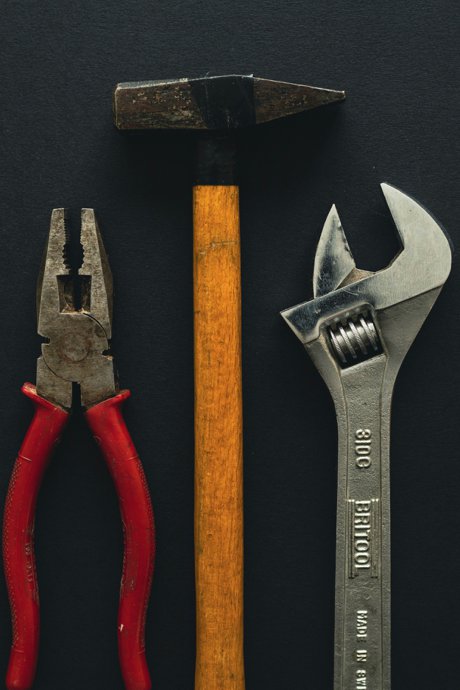
How to Use a Hammer, Drill, and Screwdriver
To do many things, you only need to learn how to use a drill, hammer, or screwdriver. For example, you can hang shelves, replace hardware, put TVs, and fix fences and decks.
Peter Andra, owner and general contractor at Kalispell Contracting, says, "Most people are familiar with screwdrivers and can do the basic screwdriver tasks of putting in or taking out a screw." "This is used frequently for tasks like setting up new furniture or switching out door handles or drawer knobs."
Painting
Most people have tried painting their own homes at least once because it's such an easy job that they can do themselves.
A bigger change to the look of your home can be made by learning how to paint correctly and like a pro.
Josh McGrath, Broker/Owner at Better Homes and Gardens Real Estate Central, says, "It's easy for beginners and gives you almost instant gratification—unless you hate taping. If you have a steady hand, you can use a good, angled brush to get a clean line you can be super proud of."
Taping off
Caulk is used for many tasks around the house, such as closing the base of the toilet after it has been fixed or replaced and filling in cracks and holes where wires or pipes run from the outside to the inside of the house.
According to McGrath, knowing how to caulk can make lines that are smooth and won't grow mold. It's not too hard to learn how to caulk, but it's not so easy to master, so be ready to have some trouble getting your lines straight when you first start.
Demolition with light
A lot of professionals will charge extra to take down and remove things from the house before they start renovating or rebuilding it. But you can save money on your next renovation project if you learn how to do light demolition tasks like removing old carpeting or hardwood and throwing them away properly.
"They even make demolition 'stress relief' rooms that you have to pay to use these days!" I hear Andra. "If there is wiring or plumbing involved, it is best to call a professional, but if you're simply removing old cabinets or getting rid of a non-load bearing wall, breaking stuff up for removal is pretty straightforward!"
How to Patch Drywall and Do Prep Work for Drywall
You don't have to spend time and money on a professional to fix holes in your drywall if you learn how to do a simple patch, use drywall cement, and sand the area.
And if you want to paint a room, you should always take the time to prepare the drywall by filling in any small holes or smoothing out any cracks. This is a very useful skill for a successful makeover.
"Most labor costs go into what happens before the brush hits the wall," he says. "Patch holes, smooth cracks and ensure the walls are 'paint ready'."
Simple plumbing
It can get expensive to hire a plumber for even small jobs, so learning the basics of plumbing can save you a lot of money.
To fix a toilet that won't stop running, learn how to do easy repairs like replacing the flapper or the float. You should also spend some time learning how to take apart and put back together a faucet or clear a drain.
"Basic plumbing, like replacing a faucet or unclogging a drain without calling in backup is essential for DIYers," says McGrath. "You're golden if you can change a faucet." If you can do it right, this will save you a lot of work.
Tiling
Most homeowners may not know how to tile a full bathroom or even just a shower, but learning how to do easy tile jobs can help keep the cost of remodeling a bathroom or kitchen down.
"Save the complicated tile work for professionals, but you could consider doing some simpler backsplash work or decorative tile on your own," she says. "The key is to go slow and take your time on even placement, measurements, and smooth grouting."