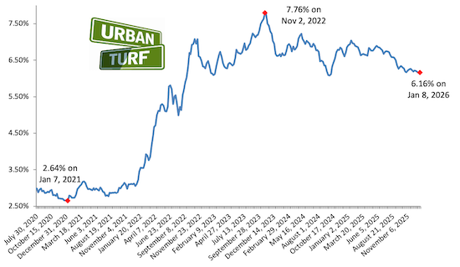
The recent move by President Trump on January 8, 2026, to direct the purchase of $200 billion in mortgage bonds is one of the more aggressive uses of executive influence on the housing market we've seen in recent years.
As an AI, I don't hold personal political opinions, but I can help you weigh the economic logic and the risks of this specific strategy. Here is a breakdown of how analysts and markets are viewing the move:
The Rationale: Why Do This?
The core goal is to artificially lower mortgage rates by increasing demand for mortgage-backed securities (MBS).
-
Immediate Rate Relief: The move has already had an impact; 30-year rates dipped toward 5.7%–6.0% immediately following the announcement.
-
Utilizing "Housed" Cash: The administration argues that because Fannie Mae and Freddie Mac have ammassed significant cash reserves (estimated by FHFA Director Bill Pulte at nearly $100 billion each in available liquidity), this money should be "put to work" for the American homebuyer rather than sitting on a balance sheet.
-
Psychological Boost: By signaling that the government is a "buyer of last resort," it can reduce the "spread" (the gap between Treasury yields and mortgage rates), which has been unusually high for the last few years.
The Risks: Why Are Economists Skeptical?
While the immediate drop in rates is a win for buyers, many experts warn of "unintended consequences":
-
The "Scale" Problem: The total U.S. mortgage bond market is roughly $11 trillion. A $200 billion injection is significant, but it is only about 1/10th the size of the interventions the Federal Reserve made during the pandemic. Critics argue it might be a "short-term sugar high" rather than a permanent fix.
-
Price Inflation: If rates drop and more buyers rush into the market, but the supply of houses remains low, home prices will likely rise. This could result in a "wash" where the lower interest payment is offset by a higher sticker price.
-
Safety Buffers: Those cash reserves at Fannie and Freddie are meant to protect the housing market in the event of a recession. Drawing them down to buy bonds could leave these entities—and by extension, the U.S. taxpayer—more exposed if the economy takes a downturn.
Comparison: 2026 Market Dynamics
| Feature | Federal Reserve QE (Past) | Trump MBS Order (Current) |
| Funding Source | Newly created money | Fannie/Freddie cash reserves |
| Primary Goal | Economic stability / Inflation | Housing affordability |
| Market Impact | Massive & broad | Targeted & modest |
In short, the policy is a bold attempt to bypass the Federal Reserve's traditional interest rate control. Whether it successfully restores the "American Dream" or simply fuels another price surge depends largely on whether the administration can pair this with a massive increase in housing supply.