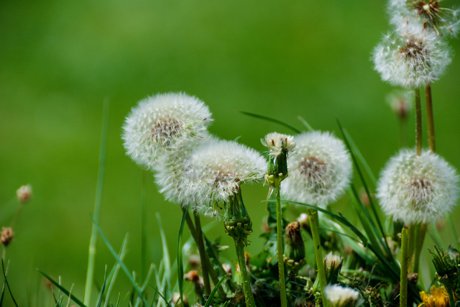
Commonly a challenge for many homeowners, weeds are plants that grow where they are not wanted. Most weeds have substantial seed output, fast germination and establishment, and seeds that lie latent for a long time. For instance, one redroot pigweed might generate up to 30,000 seeds year. For more than 70 years, those seeds lie dormant in the ground, waiting to burst forth.
Why Do Weed Problems Occur?
Bad soil conditions, like compacted or poorly drained soil, can let weeds outcompete desired plants in a given area. Incorrect mowing, watering, and fertilizer among other improper lawn care techniques could weaken your grass and increase its vulnerability to weed invasion. Furthermore, disturbances to the ground—often brought on by landscaping or building projects—can push latent weed seeds to the surface where they unexpectedly sprout and flourish.
A weaker and less appealing lawn results from weeds vying with your grass and plants for water, nutrients, and sunlight. They also host pests and diseases that compromise your yard more broadly. Certain weeds are also invading species that might affect nearby ecosystems outside of your yard. This is a tip on how to stop weeds from invading your yard so you might avoid these effects.
Natural Strategies for Weed Control
Eliminating an established weed infestation takes more time than stopping weeds when they show up or shortly following budding. Natural weed control strategies concentrate on maintaining a healthy lawn by inhibiting weed growth. Natural weed management techniques consist on the following.
Chowing
Cover garden beds with organic mulch—wood chips or straw—along with bases for trees and shrubs. As it breaks down, mulch improves soil health, helps to retain moisture, and controls weeds. Teri Valenzuela, natural science manager for Sunday's lawn care firm, advises adding mulch or plant ground cover to prevent sunlight and minimize open ground area where weeds could grow. " Try for a mulch covering two to four inches deep. Mulching also serves as a barrier against weeds and helps preserve soil moisture."
Preserving Good Soil
Test the pH and nutrient contents of your soil often. To raise fertility, you might have to mix it with organic stuff like compost. Strong grass growth brought about by healthy soil can outcompete weeds. Also, use caution with fertiliser. While too little fertilizer might result in rarely used soil rapidly overrun with weeds, too much fertilizer can help nourish weeds including annual bluegrass, Bermuda grass, or crabgrass.
Mowing Rightfully
For your type of grass, mow your lawn to the suggested height. Taller grass shades the ground, which makes it more difficult for weed seeds to germinate.
Providing Enough Water
Water your grass deeply and infrequently instead of shallowly and often. Deep watering promotes root development, so enabling grass to survive drought and fight against weeds. Early in the morning, water to reduce evaporation and fungus growth. Remember, short roots resulting from regular light irrigation enable some weeds flourish.
Hand Clearing
Look over your lawn and garden often for weeds. "If weeds do present themselves, remove them by hand or with a flexible weeding tool, making sure you get the roots to prevent regrowth," says Valenzuela. Pulling the entire root system is simpler when the soil is damp since hand weeding is most successful in that condition.
Ground Covers
In places where grass finds difficult to flourish, lay ground cover. For example, creeping thyme or clover can fight weeds and offer a low-maintenance substitute for conventional lawns.
Natural Insecticides
Organic herbicides derived from vinegar, salt, or citrus oil can be quite successful against some weeds for a more ecologically acceptable solution. For pets, children, and beneficial insects, they provide a safer substitute even if they could need more regular and consistent application.
Chemical Strategies to Stop Weeds
Although they offer more quick results in weed control, chemical approaches must be handled carefully to reduce environmental effect. The most often used chemical method is herbicide application.
Pre-Emergent Pesticides
Before weed seeds germinate, herbicides—including those with oryzalin, trifluralin, or non-toxic maize gluten meal—are sprayed on the ground. They provide a chemical barrier stopping the sprouting of weed seeds. With pre-emergent herbicides, timing is really vital. The weed species you are aiming for should guide your application—early spring or fall. Use pesticides always according to the label directions. Effective weed control depends on correct application rates, timing, and safety procedures that limit hazards to the environment, people, and animals.
Post-Emergent Pesticides
These pesticides wipe out current weeds. They can be non-selective, destroying all the vegetation they come into touch with, or selective, focusing on particular weed species without damaging grass. Lawns are best suited for selective herbicides; non-selective herbicides are useful for places like driveways and sidewalks. Use spot treatments to target particular weed spots rather than chemicals all over your grass. This method lowers possible damage to desired plants and soil condition as well as pesticides.
Why Are Weeds So Unwanted?
Stopping weeds calls for more than just eliminating unwelcome flora. Laura Iles, director of North Central Integrated Pest Management Center at Iowa State University, advises cutting weedy areas in or near your yard to also lessen tick habitat. Other unwelcome bugs that are harmful to children, adults, and pets; ticks can cause crippling illness; plants provide an ideal habitat for them.
Whether your preferred approach is chemical, natural, or combined, keep alert and aggressive in your weed management activities. A well-kept lawn looks fantastic and helps to create a more resilient, healthy ecosystem for all.
Do you want a home with a nice weed free lawn? Or maybe a work in progress? Check out the home listings with the Hersey Group.