Late August in Cincinnati marks the critical pivot point where summer heat gives way to cool-season lawn recovery and early autumn prep. With heavy clay soil prevalent across Southwest Ohio, taking action now ensures your turf, flower beds, and trees weather the upcoming winter and hit the ground running next spring.
Lawn Care & Turf Restoration
-
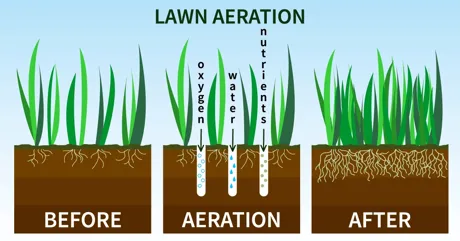
Aerate Heavy Clay Soil: Late August through September is the prime window for core aeration in Cincinnati. Pulling soil plugs breaks up compacted clay, allowing water, oxygen, and nutrients to reach cool-season grass roots.
-
Overseed Bare & Heat-Stressed Spots: Fill in thin patches with cool-season varieties like Kentucky Bluegrass or Turf-Type Tall Fescue while soil temperatures are still warm enough for rapid germination.
-
Adjust Mowing Heights: Lower your mower deck slightly to around 3 to 3.5 inches. Sharpen blades to prevent tearing grass blades, which leaves turf susceptible to late-summer fungal diseases.
-
Apply Late-Summer Fertilizer: Apply a balanced, slow-release nitrogen fertilizer or root stimulant to help grass recover from summer heat stress without burning the turf.
Flower Beds & Perennials
-
Divide Summer Perennials: Dig up and divide overcrowded daylilies, irises, and hostas after they finish blooming. Replant them immediately to give roots time to settle before the first frost.
-
Deadhead and Prune Lightly: Trim back spent stalks on perennials like purple coneflower and black-eyed Susans. Avoid heavy pruning on spring-blooming shrubs (e.g., azaleas, rhododendrons), as they have already set next year's flower buds.
-
Order Spring Bulbs: Plan out bed locations and order tulips, daffodils, and allium bulbs now for planting in October and November.
Trees, Shrubs & Vegetables
-
Plant New Trees and Shrubs: Cooler autumn air combined with warm soil makes late August an ideal time to plant balled-and-burlapped or container-grown trees and evergreens.
-
Sow Fall Vegetables: Clear out spent, non-producing summer crops like cucumber or tomato vines. Plant quick-maturing cool-weather crops like spinach, radishes, lettuce, kale, and turnips.
-
Refresh Mulch Layers: Maintain a 2- to 3-inch layer of hardwood mulch around garden beds and young trees to retain soil moisture and insulate roots against upcoming temperature swings.