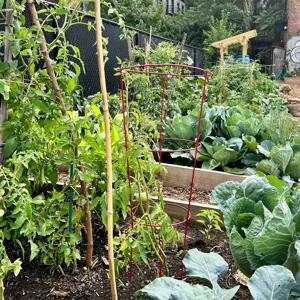
July in the Queen City brings high humidity, afternoon thunderstorms, and the true heat of summer. While it might be tempting to retreat indoors to the air conditioning, July is a critical swing month for your landscape.
The secret to a thriving July garden in the Ohio Valley isn't working harder—it’s working smarter. Here is your actionable checklist to keep your vegetables, perennials, and containers pushing forward through the mid-summer stretch.
1. Dial In Your Watering Strategy
July heatwaves can turn soil bone-dry in a matter of days. In Cincinnati, the general rule of thumb for an established garden is one inch of water every 7 to 10 days.
-
Water the Soil, Not the Leaves: Overhead sprinkling invites fungal diseases like powdery mildew, which thrives in our humid summer nights. Use soaker hoses or direct your watering can right at the base of the plant.
-
Time It Right: Water between 5:00 AM and 9:00 AM. This gives your plants a deep drink before the sun starts baking the soil, reducing evaporation loss significantly.
-
Check Your Mulch: A 3-to-4-inch layer of organic mulch acts like a protective blanket, locking in moisture and keeping root temperatures stable. If your mulch has formed a hard crust, fluff it up with a rake so water can actually penetrate.
2. The Vegetable Garden: Harvest & Reset
Your warm-season crops are hitting their stride, but they need active management to keep producing.
-
Pick Frequently: Don't let zucchini grow to the size of a baseball bat. When you leave oversized produce on the vine, the plant assumes its reproductive lifecycle is complete and stops blooming. Regular harvesting forces the plant to keep generating new yields.
-
Prevent Tomato Troubles: Blossom-end rot (caused by a localized calcium deficiency) is running rampant right now. It is almost always triggered by inconsistent watering rather than a lack of calcium in Ohio soil. Keep your soil moisture steady to prevent that dreaded black patch on the bottom of your fruit.
-
Plant Your Fall Garden: July is the perfect time for succession planting in Zone 6b. Dig out your seed packets and direct-sow these quick-maturing varieties by mid-to-late July for an autumn harvest:
| Crop Type | Best Varieties for July Sowing | Days to Maturity |
| Beans | Bush Beans (Faster than pole beans) | 50–60 days |
| Squash | Zucchini / Summer Squash | 45–55 days |
| Root Veggies | Carrots, Radishes, Beets | 25–60 days |
| Greens | Kale, Swiss Chard, Spinach | 40–50 days |
3. Maintain Flower Power
Your annuals and perennials need a little tough love to keep the color coming until the first frost.
-
Deadhead Religiously: Snip off faded flowers from your zinnias, marigolds, and coneflowers. This redirects the plant's energy away from seed production and right back into fresh blooms.
-
Divide Your Iris: Mid-to-late July is the prime window to dig up and divide crowded bearded irises. Trim the fan of leaves back by half, check the rhizomes for borers, and replant them with the tops of the rhizomes just slightly exposed to the sun.
-
Stop Fertilizing Woody Plants: While your annuals and containers appreciate a weekly dose of liquid fertilizer, stop feeding your trees and spring-flowering shrubs after Independence Day. Forcing new, soft growth late in summer leaves the plant highly vulnerable to winter injury when the freezing temperatures arrive.
4. Pest Watch: The July Heavy Hitters
-
Japanese Beetles: They typically arrive in full force around early July. Skip the commercial traps (which often just attract more beetles to your yard) and stick to the classic bucket of soapy water. Take a stroll through the garden in the early morning when they are sluggish, and knock them directly into the bucket.
-
Squash Vine Borers: If your pumpkins or zucchini suddenly wilt despite plenty of water, check the base of the stem for a small hole and greenish-yellow frass (looks like sawdust). Planting a second round of summer squash seeds mid-month is a great way to outsmart their lifecycle.
Pro Tip for Hot Days: Tackle your heavy weeding, harvesting, and division work in the early morning or late evening hours. Keep yourself hydrated, stay on top of the weeds before they throw thousands of seeds, and enjoy the fruits of your labor!