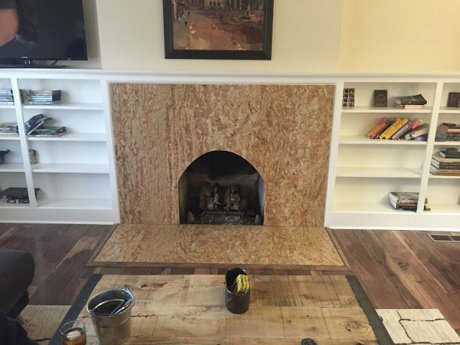
The design of the fireplace should complement the overall architectural style of the house because it is frequently a focal point and a central component. This is frequently where people get stuck while creating a space. A few years later, the fireplace appears outdated because they selected a style that was popular at the time but didn't fit their house.
According to interior designer Melanie Zaelich, "it's important to stay true to the home's overall style when it comes to architectural elements—especially something as central as a fireplace." To help you choose a more classic option for your house, we asked designers to share typical fireplace design errors.
1. Using Fieldstone excessively
In the 1990s and early 2000s, fieldstone fireplaces were very popular because homeowners wanted to give gas fireboxes and newly constructed homes more authenticity. Large, multicolored fieldstone, though natural, is blatantly maximalist, which makes it challenging to work with over time. Designer Michelle Hoey adds, "My clients see it as a dated look—one that was overdone in its time," "Fieldstones can be large and overwhelming, which in turn drives so much of the room’s style."
Although stone is still a very popular material for fireplaces, a more contemporary option would be one-piece stone as opposed to fieldstone's stacked, cottage appearance. "There’s a continued desire for more modern or minimalist aesthetics that allows for the client to make changes within the space down the road," Hoey explains.
2. Linear fireplaces that aren't visually appealing
Although linear fireplaces have a sleek appearance that appeals to those looking to update an outdated fireplace, designers advise that this design is most effective when combined with other contemporary features.
"Clients start browsing what’s popular and are drawn to the modern, clean look of a linear fireplace" explains Zaelich. "But because it’s distinctly modern, it’s really only suited for modern homes." According to her, this results in an architectural mashup that makes it challenging to decide how to proceed with the décor. "Your fireplace should complement the existing architecture to create a cohesive, timeless design," she states.
3. Vibrant Accent Fireplaces
In recent years, very ornamental fireplaces have gained popularity. Consider ornate tiling, picture molding on the chimney, mantel molding, and possibly even corbels. The issue? The majority of houses are just not formal enough to support such a very ornamental fireplace. "Suddenly everything in your home has to match this very bold look," Hoey explains.
Once more, the design of your fireplace should be guided by the architectural style of your house. "Antique limestone and marble mantels can look beautiful in a formal Tudor drawing room, but it will look out of place in a Craftsman style house," explains Zaelich. Molding choices should blend nicely with the rest of your home's molding.
Look up historical references, like "craftsman-style fireplace," or consult a designer if you're not sure what kind of fireplace will look good in your house.