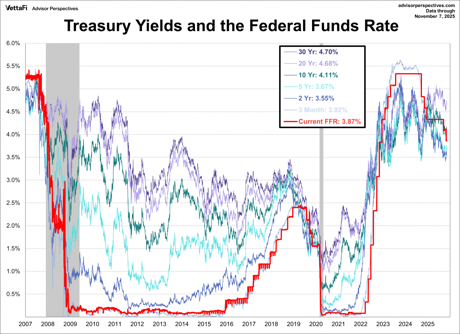
It's a common headline: "The Fed Cuts Rates!" And the immediate reaction from hopeful homeowners is often, "Great, my mortgage rate is about to drop!"
But all too often, the reality is a frustrating shrug from the mortgage market. Why the disconnect? If the Federal Reserve is cutting its key interest rate, shouldn't borrowing costs, like those for a mortgage, automatically fall?
The answer lies in understanding what the Fed actually controls and what truly drives the long-term borrowing costs of a mortgage.
The Fed Funds Rate is Short-Term
The Federal Reserve controls the Federal Funds Rate, which is the interest rate banks use to lend money to each other overnight. Changes to this rate do immediately impact short-term borrowing, like credit cards, auto loans, and home equity lines of credit (HELOCs).
However, a 30-year fixed mortgage is a long-term loan, and it’s priced very differently.
The Real Driver: The 10-Year Treasury Yield
The primary engine for long-term mortgage rates is the 10-year Treasury yield.
-
Mortgages are investments: Lenders package mortgages and sell them to investors as Mortgage-Backed Securities (MBS). These investors compare the potential return on MBS to other low-risk, long-term investments, most notably the 10-year Treasury bond.
-
A "Market" Rate: When investors demand a higher yield on the 10-year Treasury (because they expect higher inflation or a stronger economy), mortgage rates generally have to rise to remain competitive for the investor's dollar.
The Fed's rate cuts influence the overall economy, which can eventually trickle down to the 10-year Treasury, but it's an indirect, not immediate, relationship.
Three Reasons for the Mismatch
-
Market Has Priced it In: Financial markets are forward-looking. If a Fed rate cut is widely expected, bond traders have often already factored it into the 10-year Treasury yield weeks or even months before the official announcement. When the cut finally happens, the market yawns.
-
Inflation Expectations: Sometimes, the Fed cuts rates because the economy is weak. But if investors see that weakness leading to future government spending or inflation down the road, they demand higher yields on long-term bonds (like the 10-year Treasury) to offset that expected loss of purchasing power. Higher bond yields = higher mortgage rates, even with a Fed cut.
-
The Economy's Health: Factors like global demand for US bonds, inflation data, and employment reports can often outweigh the effect of a Fed decision on long-term rates.
The Takeaway: Don't obsess over the Fed's single benchmark rate for your mortgage. For a clear view of where long-term rates are headed, keep your eyes on the 10-year Treasury yield—that's the real barometer for the housing market.