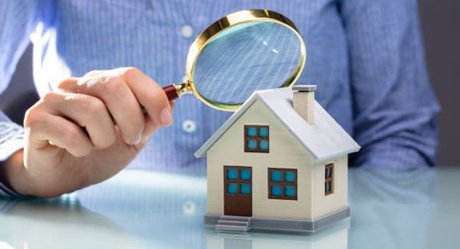
When you’re gearing up to list your home, your to-do list is likely already overflowing with staging, decluttering, and finding the right agent. Amidst the chaos, a common question pops up: "Should I pay for my own inspections before I even have a buyer?"
While the buyer typically pays for inspections during their due diligence period, getting ahead of the game with a pre-sale inspection can be a brilliant strategic move—or a redundant expense. Let’s break down the big three: Roof, Pest, and Sewer.
1. The Roof Inspection: "The Shield"
The roof is often the first thing a buyer's appraiser looks at and the last thing a seller wants to replace.
-
Why do it? Roof issues are notorious "deal killers." If a buyer’s inspector finds a leak or aging shingles, the buyer might demand a full replacement or a massive credit at the 11th hour.
-
The Strategy: If your roof is over 15 years old, a pre-sale inspection gives you a "certification" to show buyers, or at least a clear quote for repairs so you can price the home accurately.
-
The Verdict: Highly Recommended if the roof is middle-aged or has seen recent storm activity.
2. The Pest Inspection: "The Invisible Deal-Breaker"
Termites, carpenter ants, and dry rot can hide behind pristine drywall, munching away at your equity.
-
Why do it? In many regions, a "Section 1" clearance (meaning no active infestation) is practically mandatory for certain loan types (like VA or FHA loans).
-
The Strategy: Discovering termites after you’re under contract feels like a crisis. Discovering them before allows you to treat the house discreetly and present a "Clean Section 1" report to potential buyers, which builds immense trust.
-
The Verdict: Essential in termite-prone states; a "nice-to-have" elsewhere.
3. The Sewer Lateral Inspection: "The Deep Dive"
This involves sending a camera down the main sewer line to check for cracks, tree root intrusions, or collapses.
-
Why do it? Sewer repairs are invasive and expensive (often $5,000–$15,000+). Because the pipes are underground, you have no way of knowing there’s a problem until it’s too late.
-
The Strategy: If you live in an older neighborhood with mature trees, this is a major liability. Providing a video of a clear sewer line is a massive "flex" in a competitive market.
-
The Verdict: Smart Move for homes 40+ years old or properties with large trees near the line.
The Pros and Cons at a Glance
| Feature | Pros of Pre-Inspection | Cons of Pre-Inspection |
| Pricing | You can price the home more accurately. | Upfront cost ($300–$1,000 total). |
| Negotiation | Prevents buyers from "nickel and diming" you. | You are legally required to disclose any defects found. |
| Speed | Leads to a smoother, faster closing. | Buyers may still insist on their own inspections anyway. |
The Bottom Line
Pre-sale inspections shift the power back to you. Instead of being at the mercy of a buyer’s repair demands, you can say: "We know the roof has three years of life left, and we’ve already priced the home accordingly." It eliminates the "fear of the unknown" that often causes buyers to walk away.
Pro Tip: Always keep the receipts and reports. Transparency is the ultimate currency in real estate.
Get ready to sell your home with Andrew Hersey at the Hersey Group. .