Adding a fence to your Cincinnati property is one of the most effective ways to establish clear boundaries, enhance privacy, and elevate overall curb appeal. However, navigating local terrain and the Tri-State region’s distinct four-season climate requires choosing a material that balances style with long-term durability. From sticky summer humidity to winter freeze-thaw cycles, Cincinnati weather puts outdoor building materials to the test.
Selecting the ideal fencing material comes down to your primary goals—whether that means minimal maintenance, traditional aesthetic charm, or maximum security.
Wood Fencing: Classic Character and High Customizability
Wood remains a timeless, highly versatile option for Cincinnati yards. It blends seamlessly with natural landscaping, mature tree lines, and classic Midwestern architectural styles.
-
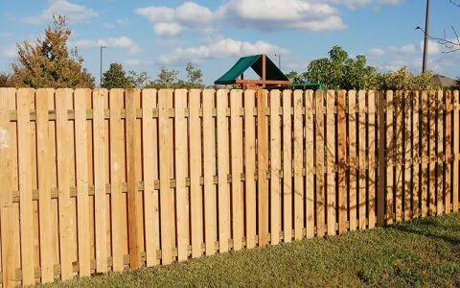
Key Advantages: Excellent natural privacy, flexible design options (such as board-on-board, shadowbox, or horizontal styles), and easy customization with various paint or stain finishes.
-
Weather & Terrain Factors: Wood naturally expands and contracts with Ohio’s seasonal temperature swings. Pressure-treated pine or naturally weather-resistant species like Western Red Cedar hold up best against moisture and decay.
-
Maintenance Requirement: Moderate to High. Expect to clean, stain, or seal the wood every 2 to 3 years to protect against moisture intrusion, warping, and sun damage.
Vinyl Fencing: Sleek, Long-Lasting, and Low Maintenance
For property owners focused on ease of ownership without sacrificing privacy, vinyl fencing continues to grow in popularity across Greater Cincinnati.
-
Key Advantages: Complete privacy, exceptional resistance to moisture and insects, and a clean, consistent appearance that requires no painting or staining.
-
Weather & Terrain Factors: High-grade vinyl non-porous surfaces handle wet spring rains and winter freezing cycles effortlessly without rotting, splitting, or rusting.
-
Maintenance Requirement: Very Low. A periodic rinse with a garden hose or mild detergent keeps it looking brand new year-round.
Aluminum Fencing: Elegant Security and Unobstructed Views
Aluminum fencing delivers the sophisticated, historic look of wrought iron without the susceptibility to rust and corrosion. It is an ideal pick for accentuating landscaping, setting boundary lines, or defining outdoor entertaining spaces.
-
Key Advantages: Superior curb appeal, rustproof powder-coated durability, and sleek profile design that preserves scenic backyard vistas.
-
Weather & Terrain Factors: Aluminum handles uneven or rolling topography with ease through rackable panel designs, adjusting smoothly to hills and slopes common to Cincinnati lots without leaving gaps beneath.
-
Maintenance Requirement: Extremely Low. Powder-coated finishes require virtually zero upkeep beyond occasional washing.
Horizontal vs. Vertical Layouts: Choosing Your Orientation
Beyond material choice, board orientation plays a major role in both aesthetic impact and performance.
-
Vertical Fencing: The traditional standard. Vertical orientations shed rainwater naturally down the length of the boards, making them particularly resilient against localized moisture buildup.
-
Horizontal Fencing: A modern, architectural layout that can visually widen smaller yards. Horizontal wood installations require precise bracing and attention to board ends to prevent moisture absorption along exposed edges during heavy precipitation.
Key Considerations Before Installation
-
Property Lines & Surveys: Always verify property boundaries with a official site survey prior to setting posts.
-
Local Zoning & HOA Guidelines: Municipal ordinances in the Cincinnati area and specific HOA covenants frequently regulate maximum fence heights, setback requirements, and acceptable construction materials.
-
Utility Clearance: Before digging post holes, ensure underground service lines are marked by calling 811.
-
Grading & Drainage: Ensure fence design accounts for yard runoff so water doesn't pool around timber post footings or lower rails.
Aligning fence material and design with long-term maintenance preferences and yard layout ensures an outdoor investment that adds functional value and visual appeal for years to come.