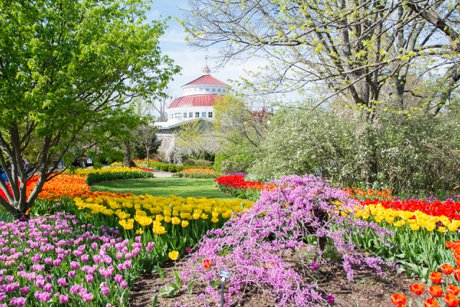
April is the "pivot month" for Cincinnati homeowners. With the erratic Tri-State weather moving from late-season frosts to 70-degree afternoons, your yard is waking up fast. To get your outdoor space ready for the season, here is a localized guide to lawn care and gardening for April 2026.
1. Lawn Care: The "Wake Up" Routine
The goal this month is to strengthen roots before the humidity of a Cincinnati summer kicks in.
-
Wait for Dry Soil: Walking on or mowing soggy April soil can compact the ground, leading to poor drainage and weak grass. Wait until the soil is firm to the touch.
-
The First Mow: Set your mower height to about 3.5 to 4 inches. Taller grass shades the soil, which prevents weed seeds from germinating and encourages deeper root growth.
-
Crabgrass Prevention: Now is the window to apply pre-emergent herbicide. In Cincinnati, the rule of thumb is to apply it when the Forsythia bushes (those bright yellow shrubs) begin to drop their blooms. This usually happens when soil temperatures hit 55°F.
-
Spot Seeding: If you have bare patches, April is your last good chance for spring seeding. Use a high-quality Tall Fescue or Bluegrass mix common to the Ohio Valley, and keep the area moist until the grass is established.
2. In the Garden: Planting and Pruning
Cincinnati is in USDA Zone 6b, meaning our average last frost date is typically between April 20th and April 30th.
-
Cool-Season Veggies: You can safely plant "cold-hardy" crops now. Get your peas, radishes, spinach, kale, and onions in the ground.
-
Wait on the "Big Three": Resist the urge to plant tomatoes, peppers, or basil until Mother's Day. A single late-April frost can wipe them out instantly.
-
Pruning Rules: * Do: Prune summer-blooming shrubs like Rose of Sharon or panicle hydrangeas.
-
Don't: Prune spring-bloomers like Lilacs, Azaleas, or Forsythia until after they finish flowering, or you’ll cut off this year's blooms.
-
-
Divide Perennials: If your Hosta, Daylilies, or Sedum are getting too crowded, early April is the perfect time to dig them up, split them, and move them to new spots.
3. Go Native: Ohio Native Plant Month
April is officially Ohio Native Plant Month. Native plants are hardier, require less water, and support local pollinators like the Monarch butterfly.
-
Trees & Shrubs: Consider planting an Eastern Redbud or a Serviceberry. They offer beautiful early-spring blooms and are perfectly adapted to Cincinnati's clay-heavy soil.
-
Perennials: Look for Purple Coneflower, Black-eyed Susans, or Wild Columbine at local nurseries. These will thrive with minimal fuss once established.
4. Maintenance Checklist
-
Clean the Beds: Remove the last of the winter debris and "matted" leaves from your flower beds to prevent crown rot in your perennials.
-
Check Your Tools: Sharpen your mower blades. A dull blade tears the grass, leaving it jagged and susceptible to diseases like "Brown Patch."
-
Mulch: Apply a 2 to 3-inch layer of mulch to retain moisture and suppress weeds. Keep the mulch away from the actual trunks of trees and stems of shrubs (no "mulch volcanoes") to prevent rot.
Pro Tip: Keep a few old sheets or frost blankets handy. Cincinnati weather is notorious for a "surprise" frost in the final week of April!